Author: postboulder.com

  • Babar Azam vs Kohli – Batting Comparison

    Babar Azam vs Kohli – Batting Comparison

    Cricket has always thrived on rivalri\es—whether between nations, bowlers vs batters, or legends across eras. In modern times, one of the most debated comparisons is between Virat Kohli, India’s modern great, and Babar Azam, Pakistan’s batting maestro. Both have dominated headlines, thrilled fans, and redefined batting standards in their own unique ways. But how do they stack up against each other?


    Virat Kohli – The Benchmark of Consistency

    Virat Kohli’s career is defined by remarkable consistency and intensity. Since making his debut in 2008, Kohli has built a reputation as one of the greatest batters of all time.

    Key Strengths

    • Run-Chase Specialist: Kohli’s record while chasing is unparalleled, earning him the tag of the best finisher in modern cricket.
    • Adaptability Across Formats: Whether in Tests, ODIs, or T20Is, Kohli adjusts seamlessly to conditions and opposition.
    • Fitness and Longevity: His emphasis on fitness and discipline has extended his career at the highest level, setting new benchmarks for professionalism.

    Career Highlights

    • Over 70 international centuries across formats.
    • ICC Cricketer of the Decade (2010–2020).
    • Led India to historic Test wins in Australia and dominance across formats.

    Kohli’s legacy is not just about numbers but also about the culture of confidence and aggression he instilled in Indian cricket.


    Babar Azam – The Modern Stylist

    Emerging a decade later, Babar Azam has quickly established himself as Pakistan’s batting cornerstone. With impeccable technique and elegance, he has often been described as one of the most stylish batters of his generation.

    Key Strengths

    • Classical Technique: His cover drives and ability to find gaps stand out as hallmarks of textbook batting.
    • Consistency Across Formats: Like Kohli, Babar scores heavily in all three formats, cementing his place among the elite.
    • Leadership Role: As Pakistan’s captain, he has carried the responsibility of being both the team’s best batter and its leader.

    Career Highlights

    • Among the fastest to reach 1000, 2000, and 5000 ODI runs.
    • Consistent ICC rankings among the top batters across formats.
    • Numerous match-winning performances under pressure.

    For Pakistan, Babar is more than a batter—he is the symbol of stability in a side often searching for consistency.


    Statistical Comparison

    When comparing Kohli and Babar, numbers provide fascinating insights:

    • ODIs: Kohli leads in centuries and averages, but Babar’s start has been statistically faster in terms of milestones.
    • T20Is: Both are among the top run-scorers, with Babar focusing on anchoring and Kohli excelling in chases.
    • Tests: Kohli’s career has more depth and centuries, while Babar has shown steady progress with notable away performances.

    While Kohli’s longevity and unmatched chasing ability make him a legend, Babar’s numbers in the first half of his career suggest he could challenge those records with time.


    Batting Styles – A Contrast

    • Kohli: Combines aggression with control. Known for his wristy flicks, impeccable timing, and unmatched ability to rotate strike under pressure.
    • Babar: Plays with elegance and calmness, relying on balance and technique. His cover drives and ability to play late have become trademarks.

    Where Kohli thrives on intensity and energy, Babar’s calmness and grace offer a refreshing contrast. Both styles highlight that success in modern cricket can be achieved through very different approaches.


    Mental Strength and Leadership

    Both players also reflect leadership qualities that go beyond runs:

    • Kohli: As captain, he brought an aggressive edge to Indian cricket, focusing on fitness and team culture. His emotional intensity often drove performances, both personal and collective.
    • Babar: His leadership is quieter but steady. He carries the responsibility of leading a side in transition, balancing expectations while staying Pakistan’s most reliable batter.

    This contrast in leadership styles mirrors their personalities—one fiery and outspoken, the other composed and methodical.


    Global Impact

    Both Kohli and Babar have had significant global influence:

    • Kohli: His fan base transcends borders, making him one of the most recognized athletes in the world. His aggressive cricketing brand inspired a generation of young Indian players.
    • Babar: He has elevated Pakistan’s profile in global cricket, earning respect as a batter capable of competing with the best. His rise has inspired countless youngsters in his country.

    Their impact highlights how cricket continues to produce icons who shape the game’s global identity.


    Who Stands Taller?

    The debate often comes down to eras. Kohli’s career is more complete, filled with decades of dominance, records, and leadership milestones. Babar, on the other hand, is in the middle of his prime, with time on his side to reach similar or even greater heights.

    Instead of focusing solely on rivalry, fans can appreciate how both represent the evolution of batting: Kohli as the relentless run machine and Babar as the elegant stylist redefining modern technique.


    Final Thoughts

    Virat Kohli and Babar Azam represent two ends of the modern batting spectrum—intensity versus elegance, aggression versus calmness. Both have elevated the game with their unique approaches, proving that greatness comes in many forms.

    For fans eager to follow detailed comparisons, match insights, and future milestones of both legends, platforms like Cricmatch247 Website and Cricmatch provide reliable coverage and updates, ensuring that the debate around Kohli and Babar remains one of the most fascinating in cricket.

  • Explore the Best of India and Thailand with Kochi Trip Package and Phuket Krabi Package

    Explore the Best of India and Thailand with Kochi Trip Package and Phuket Krabi Package

    Traveling is one of the most rewarding experiences, offering a chance to explore new cultures, cuisines, and breathtaking landscapes. Two destinations that stand out for their unique charm and diverse offerings are Kochi in Kerala, India, and the tropical gems of Phuket and Krabi in Thailand. With well-designed travel deals like a kochi trip package and a Phuket Krabi package, you can make the most of your vacation with hassle-free planning and unforgettable experiences.

    Why Choose Kochi for Your Next Holiday?

    Kochi, often called the “Queen of the Arabian Sea,” is one of India’s most fascinating coastal cities. A melting pot of cultures influenced by Portuguese, Dutch, British, and Arab traders, Kochi offers travelers a perfect blend of heritage and modernity. From historical forts and ancient churches to vibrant spice markets and serene backwaters, the city has something for every type of traveler.

    Highlights of a Kochi Trip Package:

    1. Fort Kochi – Known for its colonial architecture and the iconic Chinese fishing nets, Fort Kochi is a photographer’s paradise.
    2. Mattancherry Palace – A stunning example of Kerala’s history, featuring murals depicting scenes from the Ramayana and Mahabharata.
    3. Jew Town and Synagogue – A cultural landmark showcasing the Jewish community’s rich heritage in India.
    4. Backwater Cruises – Glide through calm waters surrounded by coconut trees and traditional villages.
    5. Local Cuisine – Fresh seafood, traditional Kerala meals, and spicy curries make food an unforgettable part of your trip.

    A Kochi vacation also pairs well with visits to nearby destinations such as Munnar, Thekkady, and Alleppey, creating a diverse and memorable holiday experience.

    Why Phuket and Krabi Should Be on Your Bucket List

    Thailand is one of the most sought-after destinations in Asia, and Phuket and Krabi are its shining jewels. Located along the Andaman Sea, both places are famous for their pristine beaches, lush green cliffs, and adventure opportunities. Whether you’re looking for a romantic getaway, family holiday, or an adventurous escape, Phuket and Krabi deliver it all.

    Highlights of a Phuket Krabi Package:

    1. Beaches and Islands – Visit world-renowned spots like Patong Beach, Phi Phi Islands, Railay Beach, and Maya Bay.
    2. Adventure Sports – Indulge in snorkeling, scuba diving, phuket krabi package rock climbing, or island-hopping tours.
    3. Nightlife in Phuket – From lively clubs to beach parties, Phuket offers some of the best nightlife experiences in Asia.
    4. Krabi’s Natural Wonders – Discover emerald pools, hot springs, and limestone cliffs that seem straight out of a postcard.
    5. Thai Culture and Food – Relish authentic Thai dishes like Pad Thai, Tom Yum soup, and fresh tropical fruits.

    The blend of relaxation, adventure, and cultural immersion makes Phuket and Krabi a perfect international destination for travelers.

    Best Time to Visit

    • Kochi: The ideal time is between October and March, when the weather is pleasant for sightseeing and backwater tours.
    • Phuket and Krabi: November to April is perfect for beach lovers, as the climate is dry and the sea is calm, making it safe for water sports.

    Tips for a Memorable Journey

    1. Book packages in advance to get the best deals on flights and accommodation.
    2. Choose itineraries that balance sightseeing and leisure time.
    3. Carry comfortable clothing and essentials suited to tropical climates.
    4. Explore local markets for souvenirs and handicrafts unique to each region.
    5. Consider guided tours to maximize your cultural experience without missing hidden gems.

    Conclusion

    Both Kochi in India and the islands of Phuket and Krabi in Thailand offer unique travel experiences that cater to different interests. Whether you’re drawn to Kochi’s historical richness and tranquil backwaters or the sandy beaches and turquoise waters of Thailand, these destinations promise memories that last a lifetime. By opting for curated packages, you can focus on enjoying your trip while leaving the planning to the experts.

  • Clean Water, Clear Minds: Why Businesses in Michigan Are Turning to Reverse Osmosis

    Clean Water, Clear Minds: Why Businesses in Michigan Are Turning to Reverse Osmosis

    If you’ve ever poured a glass of water in your office and thought, “This doesn’t taste quite right,” you’re not alone. For many businesses across Michigan, the simple act of providing clean, great-tasting water has become more than a convenience—it’s a necessity. Between customer expectations, employee health, and the rising demand for sustainability, companies are rethinking the way they treat water. And one solution keeps bubbling to the surface: reverse osmosis.

    It’s not the most glamorous topic, I know. Reverse osmosis sounds like something out of a science textbook, maybe even a little intimidating. But at its heart, it’s just a clever way of stripping away impurities, leaving you with crisp, safe water. And in a state like Michigan—where industry, agriculture, and everyday households intersect—the need for smarter, more reliable water treatment has never been stronger.


    The Business Case for Cleaner Water

    Let’s face it: water touches nearly every corner of a business. Restaurants rely on it for cooking and brewing coffee that doesn’t taste like chlorine. Manufacturing facilities need it for processes that can’t afford mineral buildup or contamination. Even small offices recognize that when employees drink more clean water, they’re sharper, healthier, and happier.

    That’s where a commercial reverse osmosis system Michigan businesses can trust comes into play. It’s not just about removing odd tastes or odors; it’s about consistency. RO systems filter out dissolved solids, heavy metals, and other contaminants that basic filters often miss. Imagine offering your customers a glass of water that tastes as refreshing as the mountain spring it came from—or running machinery that isn’t constantly being repaired because minerals clogged up the works. That’s the practical difference.


    Beyond the Basics: Scaling Up for Industry

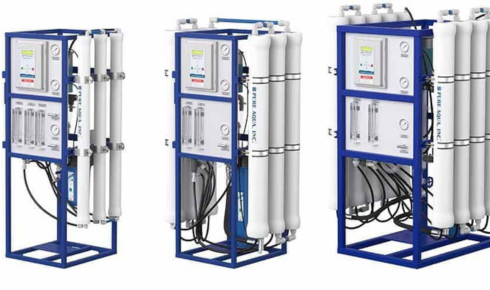
    Of course, not every company has the same water needs. A local café in Ann Arbor doesn’t consume water like a large-scale food processor in Grand Rapids. That’s why RO technology scales. Smaller units work beautifully for modest demands, but when you’re talking thousands of gallons a day, you need something stronger. Enter the industrial RO system for business, designed to handle higher volumes without breaking a sweat.

    These larger systems aren’t just about quantity; they’re about efficiency. By reducing downtime and extending the lifespan of equipment, they save money in places you might not expect. Fewer maintenance calls. Less wasted energy. Lower chemical usage. When you zoom out, you realize the real savings aren’t just on the water bill—it’s the ripple effect throughout the entire operation.


    The Human Side of Water Quality

    There’s also something deeply human about all this. We’ve all had that experience of sipping tap water that tastes a little off. Maybe it’s metallic, maybe it’s earthy. Whatever the case, it leaves an impression—and not a good one. Now picture that same water being served to guests at your hotel or being brewed into coffee for customers at your diner. First impressions matter, and water plays a bigger role than most owners realize.

    That’s why some businesses go the extra mile and install a high capacity reverse osmosis system. It’s peace of mind in a box, quietly doing its job behind the scenes, ensuring that every glass, every dish, every drop meets the highest standard. You can’t put a price on customer trust, but you can certainly lose it if you cut corners on something as basic as water.


    Michigan’s Unique Challenge

    Michigan is blessed with the Great Lakes—some of the largest sources of fresh water in the world—but that doesn’t mean every tap flows with perfection. Old infrastructure, localized contamination, and industrial runoff can all affect what actually comes out of the faucet. Businesses, especially those serving the public, can’t afford to gamble with that uncertainty.

    Reverse osmosis offers a kind of insurance. It doesn’t matter what’s happening upstream or what’s lurking in the pipes; the system strips it down to the essentials. Clean, reliable, safe. And in an era where customers are quick to Google reviews and share their experiences online, that reliability becomes part of your reputation.


    Sustainability and the Bigger Picture

    Of course, water treatment isn’t just about taste or even safety. It’s about responsibility. Many Michigan businesses are under increasing pressure—from both regulators and customers—to demonstrate environmental awareness. Reverse osmosis, when paired with smart recycling systems, reduces chemical dependency and cuts down on waste. The result is not just better water, but a smaller footprint.

    It’s a balancing act, though. Businesses must weigh the upfront investment against long-term gains. But much like switching to energy-efficient lighting or upgrading to greener HVAC systems, the payoff is in resilience. Once in place, RO systems become part of the invisible infrastructure that keeps a business running smoothly.


    A Future Built on Clean Water

    If there’s a thread running through all of this, it’s that water isn’t just background noise—it’s center stage. The restaurants plating up meals, the factories shipping products, the offices keeping staff sharp: they all depend on water that works with them, not against them. Reverse osmosis, whether small-scale for a shop or massive for an industrial complex, is a bridge to that future.

  • Clean, Clear, and Confident: Why Carbon Filters Are a Quiet Hero in Modern UK Homes

    Clean, Clear, and Confident: Why Carbon Filters Are a Quiet Hero in Modern UK Homes

    Walk into any British kitchen these days and you’ll notice something quietly changing. It’s not the colour of the cabinets or the latest energy-efficient kettle—it’s the water. More and more households are paying attention to what actually flows out of the tap. Because, let’s be honest, while we’re lucky in the UK to have generally safe drinking water, “safe” doesn’t always mean “great.” The taste, the odour, and even the little invisible extras like chlorine by-products can leave you second-guessing whether to reach for a glass or grab a bottled alternative. And that’s where carbon filtration has stepped into the spotlight.

    There’s nothing flashy about it. In fact, it works so quietly that most people forget it’s even there. But that’s kind of the beauty of it—no drama, just consistently cleaner, better-tasting water day after day.


    Why Carbon? The Everyday Science Behind It

    If you’ve ever handled a bit of charcoal after a barbecue, you’ll know it has that dusty, porous texture. Activated carbon takes that idea and multiplies it by a thousand. Tiny pores are opened up through a special heating process, creating what’s basically a sponge with an enormous surface area. That surface area becomes a kind of magnet for impurities.

    When water passes through, things like chlorine, pesticides, or volatile organic compounds cling to the carbon, leaving the water that comes out much fresher and clearer. This process, known as activated carbon water filtration, has been around for decades, but it’s becoming more mainstream because people are finally realising it’s not just about “filtering”—it’s about genuinely improving the daily drinking experience.


    From “It’ll Do” to “This Is Better”

    Here’s the thing: British tap water is technically fine. Most regions meet strict regulations, and in some areas, like Scotland or Wales, the water is famously soft and palatable. But move to parts of southern England or the Midlands, and you’re dealing with hard water. That means limescale in your kettle and often a slightly metallic tang in your tea.

    It’s these subtle differences that lead people to look for home solutions. For many, the journey starts with a cheap plastic jug filter from the supermarket. Those are handy, but let’s face it—they’re fiddly, they run out quickly, and half the time you end up forgetting to replace the cartridge. This is where a proper carbon water filter installation becomes a bit of a game changer. Instead of relying on a jug that clutters up the fridge, you get a built-in system that does the heavy lifting behind the scenes. One turn of the tap and—voilà—you’ve got cleaner, crisper water ready for your glass, your coffee machine, or even cooking pasta.


    The UK Shift Towards Sustainable Choices

    There’s another layer to all this that’s worth mentioning: sustainability. Britons throw away millions of single-use plastic bottles every day. Even with recycling, it’s a mountain of waste. By investing in a reliable home filtration system, you sidestep that plastic dependency entirely. It’s not just good for the planet; it’s kinder on the wallet too.

    Think about it—if a family of four drinks two bottles of water each per day, that’s nearly 3,000 bottles a year. The cost adds up fast. With a fixed system, your initial investment pays itself back within months, while your recycling bin (and conscience) feels a lot lighter.


    Regional Nuances: A Tale of Two Waters

    Living in London, you might notice your tap water tastes completely different compared to when you’re up north visiting family. The UK’s geology plays a big role in this. Areas with chalk and limestone aquifers supply “hard” water loaded with minerals like calcium and magnesium. While these minerals aren’t harmful—in fact, some say they’re beneficial—they do change the flavour and leave residue on appliances.

    This regional difference is why local solutions matter. For instance, if you search around the South East or specific urban spots, you’ll find plenty of companies offering customised services. I stumbled across a service mentioning carbon filter Tampa, which made me laugh at first because it’s clearly based in Florida. But it does highlight a key point: no matter where you are in the world, people are looking for the same thing—water that simply tastes better. For us here in the UK, it just means choosing suppliers and installers who understand the quirks of our local supply.


    How It Fits Into Daily Life

    One of the things I love about carbon filters is how seamlessly they slide into everyday routines. You don’t think about them until suddenly you realise your tea tastes brighter, your cooking feels cleaner, and guests comment on how refreshing the water is. And unlike more industrial-sounding options like reverse osmosis, carbon doesn’t strip away everything—it balances practicality with simplicity.

    Some families even notice an improvement in their pets’ health when they start giving them filtered water instead of straight tap. And for those who keep aquariums or brew beer at home, having a consistent water profile is invaluable.


    What to Consider Before Installing

    Of course, not all systems are created equal. The right choice depends on your household size, water consumption, and budget. Here are a few things worth weighing up:

    • Capacity – How much water do you realistically use daily?
    • Maintenance – Cartridges need changing every few months, but some systems make this easier than others.
    • Point of Use vs. Whole House – Do you want filtered water just at the kitchen sink, or across all taps and showers?
    • Professional Installation – While some are DIY-friendly, it’s often worth calling in a pro, especially if you’re plumbing into the mains.

    And yes, it’s worth checking reviews of local installers rather than just grabbing the first deal you see online. Word of mouth goes a long way, and in the UK, we’ve always been fond of asking a neighbour what worked for them.


    Looking Ahead: A Quiet Revolution

    We don’t tend to think of water filtration as revolutionary. It doesn’t have the glitz of a new smartphone or the buzz of an electric car. But in its quiet way, it’s part of a bigger lifestyle shift—towards caring about the everyday details that make life more comfortable, sustainable, and, frankly, enjoyable.

    Whether it’s cutting down on plastic, protecting your kettle from endless limescale scrubbing, or just wanting your morning brew to taste a little closer to perfect, carbon filtration is a small step that makes a daily difference.

    And maybe that’s the real story here. Not some massive overhaul or dramatic health scare—just ordinary households across the UK deciding they deserve better water, and finding that the solution is already right at their fingertips.


    Final Thoughts

    If there’s one takeaway, it’s that good water doesn’t shout—it whispers. It’s there in the clean taste, the absence of chlorine, the way your tea feels a little smoother. Carbon filters might not be glamorous, but they work tirelessly in the background, letting you simply enjoy the everyday without second-guessing what’s in your glass.

    So next time you pour a drink, ask yourself: could this be better? Chances are, the answer is yes—and the fix is easier than you think.

  • Clean Water, Clear Thinking: Why Businesses in Southern California Are Turning to Advanced Filtration

    Clean Water, Clear Thinking: Why Businesses in Southern California Are Turning to Advanced Filtration

    Walk into almost any business in Southern California today and you’ll notice something subtle but important—water is everywhere, though often overlooked. From the restaurant filling endless glasses at lunch rush, to the manufacturing plant running high-pressure boilers, or even the hotel that has to keep laundry crisp and spotless—water quietly does the heavy lifting. And yet, not all water is created equal. Anyone who’s dealt with limescale buildup, cloudy ice cubes, or machine downtime knows that.

    That’s where reverse osmosis (RO) technology comes into play. It’s not just a tool anymore; it’s becoming a lifeline for businesses looking to cut costs, protect equipment, and, honestly, keep customers happy. Especially in a region like Southern California, where water quality can be a little tricky, solutions like a commercial reverse osmosis system Southern California businesses rely on are becoming less of an option and more of a necessity.


    The Hidden Cost of “Good Enough” Water

    Here’s the thing most business owners don’t talk about: water problems creep in quietly. Maybe the espresso machine needs repairs more often. Or laundry comes out a little duller. Or customers at a brewery start noticing the beer doesn’t taste quite the same. It doesn’t happen overnight, but gradually, bad water eats into profits.

    Southern California, known for its sunshine, beaches, and sprawling urban life, also has another claim to fame—hard water and inconsistent quality. Minerals, chlorine, and sometimes even trace contaminants make their way through municipal supplies. For homes, it’s a nuisance. For businesses? It’s an expense that just keeps compounding.


    Why Reverse Osmosis Is the Game-Changer

    Reverse osmosis systems work by pushing water through a semi-permeable membrane, stripping away impurities that standard filtration misses. It’s like giving your business a clean slate every time water flows through the pipes.

    Restaurants end up with crystal-clear ice, spotless dishes, and better-tasting food. Hotels see longer life from boilers, chillers, and laundry equipment. Manufacturing plants reduce downtime because machines aren’t constantly battling scale and corrosion.

    And here’s the kicker—it’s not just about quality. It’s about consistency. When your business depends on results day in and day out, you can’t leave something as vital as water to chance. That’s why many owners have made the shift to a commercial reverse osmosis system that delivers reliable results with little babysitting required.


    A Southern California Twist

    You might wonder, why all this focus on Southern California? After all, RO systems are used everywhere. The answer comes down to geography and infrastructure.

    Southern California relies on water that travels long distances—from the Colorado River, from Northern California, and even from underground aquifers. Along the way, it picks up different mineral profiles and often requires heavy treatment before reaching taps. This means businesses in Los Angeles, San Diego, or Orange County often deal with water that varies in quality not just from city to city but even from neighborhood to neighborhood.

    That unpredictability makes an investment in clean water protection a lot more than a “nice-to-have.” It’s the reason local businesses—from coffee roasters to biotech firms—are increasingly choosing RO technology tailored for regional challenges.


    Industrial Strength Solutions for Demanding Operations

    Of course, not all businesses face the same problems. A small café doesn’t have the same needs as a pharmaceutical manufacturer or a food-processing plant. That’s where the scalability of RO systems shines.

    For larger operations, industrial RO water filtration systems can process thousands of gallons daily, stripping away not just minerals but bacteria, heavy metals, and dissolved salts. In industries where water purity directly affects product quality—think medical device manufacturing, bottled water production, or electronics—this isn’t about convenience; it’s about compliance, safety, and reputation.

    And unlike older systems, today’s industrial RO setups are more energy-efficient, easier to monitor, and surprisingly compact. Businesses don’t just get cleaner water—they save money on maintenance, reduce downtime, and in many cases, lower overall operating costs.


    The Sustainability Angle

    Let’s be real—Southern California knows a thing or two about water scarcity. With drought cycles becoming more common, businesses are under pressure not only to secure reliable water but to use it responsibly.

    Here’s where modern RO systems have evolved. Earlier models had a reputation for wasting too much water during the purification process. But today’s commercial units recycle more, minimize discharge, and integrate with water reuse systems. That means businesses can pursue sustainability goals without sacrificing performance.

    For many, it’s a win-win: better water for operations and a lighter footprint on the environment. And in an era when customers care about how eco-friendly a business is, that’s no small thing.


    Stories That Make It Real

    A brewery in San Diego swears their beer tastes more consistent since switching to RO, and loyal customers agree. A hotel in Palm Springs cut equipment maintenance costs by nearly 30% after upgrading its system. A small but busy dental clinic found that using RO water for sterilization not only improved results but reassured patients about hygiene.

    These stories aren’t just marketing fluff. They’re reminders that when you invest in water quality, the benefits ripple out—to customers, to employees, and to the bottom line.


    What to Consider Before Investing

    Of course, not every RO system is a perfect fit right out of the box. A good installation starts with a detailed water analysis. You need to know exactly what’s in your water before deciding what needs to come out. Flow rates, peak demand, available space, and ongoing maintenance all play into the equation.

    And while it’s tempting to grab the first unit you see online, that’s a recipe for frustration. Partnering with a provider who understands the regional water challenges and your specific industry is key. After all, an under-sized system can be just as frustrating as no system at all.


    The Bottom Line

    At the end of the day, water isn’t just water. For businesses, it’s a hidden ingredient in success—or a hidden liability waiting to show up on repair bills, customer reviews, or compliance reports.

    Whether you’re running a family-owned café in Orange County, a resort in Palm Springs, or a high-tech facility in Los Angeles, investing in the right water solution is about more than staying operational—it’s about staying competitive. And that’s exactly why more companies are looking at a commercial reverse osmosis system Southern California experts recommend, built to handle both the quality challenges and the environmental pressures of the region.

    When you think about it, the logic is simple: cleaner water means clearer results. And in business, clarity is everything.

  • Why Businesses Are Turning to Smarter Water Solutions

    Why Businesses Are Turning to Smarter Water Solutions

    Walk into almost any modern business—whether it’s a hotel, a restaurant chain, a manufacturing plant, or even a hospital—and chances are, water plays a bigger role in day-to-day operations than most people realize. It’s not just about having running taps. Water quality directly impacts efficiency, costs, and even customer experience. That’s why more organizations are rethinking how they treat their water supply. They’re not just buying filters; they’re investing in long-term systems designed to solve hard water problems once and for all.

    I’ve seen this shift firsthand. A decade ago, businesses treated water issues as an afterthought—something you deal with only if the pipes scale up or the dishwasher stops working. Now, many decision-makers recognize that poor water quality quietly chips away at profit margins. Energy bills creep higher, maintenance costs balloon, and appliances wear out sooner than they should. It’s death by a thousand cuts, financially speaking. And that’s where solutions like a commercial water softener come into the picture.


    Why Hard Water Is Costlier Than You Think

    Hard water sounds harmless, almost like a natural quirk of the tap. But behind the scenes, it creates real headaches. Those chalky white streaks on faucets? That’s mineral buildup—calcium and magnesium clinging to surfaces. Multiply that by thousands of gallons moving through boilers, laundry machines, and cooling systems every week, and suddenly, it’s not just streaks you’re dealing with. It’s reduced efficiency across your entire operation.

    For hotels, this might mean sheets that lose their softness faster. For restaurants, it could be spotty glassware and sluggish dishwashers. In industrial settings, the stakes are even higher—think clogged pipes, corroded machinery, and downtime that eats into production schedules. Every extra hour a piece of equipment spends fighting mineral deposits is an hour of wasted money.

    That’s why industries now see water quality as a strategic priority, not a luxury add-on.


    Scaling Solutions for Big Operations

    One of the reasons businesses lean toward advanced industrial water softener systems is scale. These aren’t the small units homeowners tuck into their basements. Industrial systems are engineered to handle enormous water demands without breaking stride. We’re talking about continuous flows, massive storage capacities, and technology that can adjust to varying water conditions automatically.

    In a manufacturing plant, for instance, consistent water quality ensures machinery runs smoother and lasts longer. In healthcare, softened water reduces risks of limescale clogging sterilization equipment—something you really don’t want to gamble with. Even agriculture benefits: softened water helps irrigation systems work more efficiently, protecting crops and minimizing equipment wear.

    What fascinates me most is how adaptable these systems have become. They’re not one-size-fits-all anymore. A brewery doesn’t need the same solution as a textile mill, and modern systems recognize that. Engineers now customize based on water chemistry, flow rates, and even future growth projections. It’s a far cry from the clunky, cookie-cutter models of the past.


    The Human Side of Installation

    Of course, getting the right equipment is only half the story. The installation process makes or breaks the outcome. I’ve talked to business owners who tried cutting corners here—hiring general contractors or treating water systems like plug-and-play devices. Spoiler: it rarely ends well.

    Proper commercial water softener installation involves more than bolting a unit to the wall and hooking up pipes. Installers test the building’s current water chemistry, map out plumbing systems, and calibrate settings so the system operates at peak efficiency. A rushed or poorly done setup can lead to leaks, wasted salt, or worse—systems that don’t soften properly at all.

    Think of it like buying a grand piano. Sure, anyone can move it into your living room, but unless a professional tunes it, you won’t get the sound you paid for. Businesses that invest in qualified installation tend to see faster returns—lower maintenance bills, fewer equipment failures, and more consistent performance across the board.


    Sustainability and Smarter Choices

    Another reason companies are embracing water softening technology is the sustainability angle. The corporate world is under growing pressure to “go green,” and water efficiency plays into that. A properly maintained system reduces the amount of soap, detergent, and cleaning agents needed—because soft water simply cleans better. That means fewer chemicals down the drain and less environmental impact.

    There’s also energy savings. Scaled-up heating elements force boilers and water heaters to work harder, guzzling more power. Removing that scale allows equipment to run at optimal performance, cutting energy use significantly. For large facilities, even a modest reduction in kilowatt-hours adds up to thousands in savings annually.

    And then there’s longevity. Every appliance and pipe that avoids mineral damage sticks around longer, reducing the need for replacements. In an era where sustainability and cost-cutting often go hand-in-hand, water softeners sit neatly at that intersection.


    Balancing Cost and Long-Term Value

    Let’s be honest: these systems aren’t cheap. When businesses first hear the price tag of industrial-grade units, there’s often hesitation. But here’s the reality: the cost of doing nothing is higher. Every year of operating without proper treatment piles up hidden expenses—higher utility bills, constant equipment repairs, shortened appliance lifespans, and inefficiencies that silently bleed cash.

    Most companies recoup their investment far sooner than expected, simply because the system pays for itself in avoided costs. In fact, I’ve heard of hotels calculating their ROI just by tracking savings on laundry detergents and linens alone.

    So while the upfront expense may sting, the long-term math usually makes the decision straightforward. It’s less about “Can we afford it?” and more about “Can we afford not to?”


    Looking Ahead: Smarter Water Tech

    What excites me most is where the industry is headed. We’re now seeing water softeners with IoT integration—systems that monitor themselves in real time and send alerts before problems escalate. Imagine getting a notification on your phone when salt levels run low, or when flow rates dip due to maintenance needs.

    Some even tie into broader building management systems, allowing facility managers to see water data alongside energy use, HVAC performance, and more. It’s all part of a bigger picture: businesses using smart technology to make everyday operations leaner, greener, and more reliable.

    We may soon reach a point where water treatment is as routine and expected as having internet service. Not flashy, not optional—just a necessary utility that underpins everything else.


    Final Thoughts

    Water treatment doesn’t always grab headlines, but it quietly shapes the success of countless industries. From protecting million-dollar machinery to ensuring guests enjoy spotless hotel rooms, the benefits ripple out far beyond the pipes.

    Businesses that view water quality as an afterthought often pay for it later, in hidden costs and frustrating breakdowns. Those that prioritize it early, on the other hand, find themselves saving money, protecting assets, and running smoother operations.

    So, whether you’re running a small chain of restaurants or managing a sprawling industrial facility, the question isn’t whether you need better water treatment—it’s when you’ll finally make the leap. Because at the end of the day, investing in cleaner, softer water isn’t just good for your equipment. It’s good for your business.

  • Feasibility Study: Exploring Carbon Credit, USDA, Hotel, and Infrastructure Assessments

    Feasibility Study: Exploring Carbon Credit, USDA, Hotel, and Infrastructure Assessments

    A feasibility study is one of the most critical steps in evaluating the potential of any project. It helps investors, organizations, and stakeholders understand whether a proposed plan is practical, sustainable, and financially viable. By analyzing key factors such as market demand, cost, legal considerations, and environmental impact, a feasibility study minimizes risks and maximizes the chances of project success. Depending on the industry, feasibility studies can take many forms, including carbon credit, USDA, hotel, and infrastructure assessments.

    Importance of Feasibility Studies

    Before any project moves from the planning phase to implementation, it is essential to ensure that it aligns with financial goals, regulatory standards, and long-term sustainability. A well-prepared study provides clarity about costs, returns, and risks, giving decision-makers the confidence to move forward or revise their approach.

    Carbon Credit Feasibility Study

    As climate change becomes a pressing global issue, many businesses and governments are turning toward sustainable solutions. A carbon credit feasibility study evaluates the potential of projects aimed at reducing carbon emissions or capturing carbon dioxide. For example, renewable energy farms, reforestation projects, and waste-to-energy plants often require such analysis.

    This type of feasibility study examines:

    • The project’s carbon reduction potential.
    • Compliance with carbon market standards.
    • Financial returns from trading carbon credits.
    • Verification and monitoring requirements.

    By conducting this study, organizations can determine whether investing in carbon credit projects will be both environmentally beneficial and economically rewarding.

    USDA Feasibility Study

    For agricultural ventures in the United States, the USDA (United States Department of Agriculture) often requires or supports a USDA feasibility study before approving loans, grants, or development projects. This type of study ensures that agricultural businesses—such as farms, food processors, and cooperatives—are economically viable.

    The USDA feasibility study includes:

    • Market demand and competition analysis.
    • Technical feasibility for farming methods or food processing.
    • Financial projections, including revenue and cost structures.
    • Risk analysis for weather, supply chain, and labor.

    Farmers, cooperatives, and rural entrepreneurs rely on this study to secure financing and build long-term strategies that sustain both profits and community growth.

    Hotel Feasibility Study

    The hospitality industry is competitive and requires significant investment. A hotel feasibility study ensures that developers and investors make informed decisions before constructing or renovating a hotel.

    This study evaluates factors such as:

    • Location demand and tourism trends.
    • Room pricing strategies and occupancy rates.
    • Competitor analysis within the local market.
    • Financial viability, including ROI and payback periods.

    By examining market demand, operational costs, and future growth potential, a hotel feasibility study prevents costly mistakes and helps investors identify the right target audience and services.

    Infrastructure Feasibility Study

    Large-scale projects like highways, bridges, airports, and power plants demand a comprehensive infrastructure feasibility study. These assessments are essential for governments, investors, and construction firms because of the high costs and long lifespans of infrastructure projects.

    Key areas analyzed include:

    • Technical requirements and engineering challenges.
    • Environmental impact assessments.
    • Financial and funding structures.
    • Legal, social, and political considerations.

    This study ensures that infrastructure projects are not only technically feasible but also socially responsible and economically beneficial in the long term.

    Conclusion

    A feasibility study is a roadmap that guides businesses, investors, and policymakers before they commit substantial resources. Whether it involves sustainability efforts like carbon credits, agricultural ventures requiring USDA support, hotel development in competitive markets, or infrastructure that shapes economies, each study provides the data and insights needed for smart decision-making. By investing time and resources in proper research, stakeholders can avoid risks, attract investors, and ensure long-term success.

    In today’s fast-changing global economy, relying on a thorough feasibility study is not just an option—it is a necessity for building sustainable and profitable ventures.

  • Kashmir Trip Itinerary and Kerala Tour Plan: A Complete Travel Guide for Every Explorer

    Kashmir Trip Itinerary and Kerala Tour Plan: A Complete Travel Guide for Every Explorer

    India is blessed with diverse landscapes and cultures, making it one of the most fascinating countries for travelers. Among its countless gems, Kashmir and Kerala stand out as two iconic destinations that offer contrasting yet equally breathtaking experiences. If you’re planning your next holiday, designing a thoughtful kashmir trip itinerary and a well-organized Kerala tour plan can help you enjoy the best of both regions without missing key attractions.

    Kashmir Trip Itinerary: A Journey Through Paradise

    Kashmir, often called “Paradise on Earth,” is famous for its snow-capped mountains, houseboats, lush valleys, and apple orchards. The region’s natural beauty, combined with its rich culture, makes it a dream destination for travelers from all over the world.

    Suggested Itinerary for 6–7 Days in Kashmir

    Day 1: Arrival in Srinagar
    Start your trip with a stay on a traditional houseboat on Dal Lake. Take a Shikara ride in the evening to soak in the beauty of the lake and surrounding mountains.

    Day 2: Srinagar Sightseeing
    Explore Mughal Gardens such as Shalimar Bagh and Nishat Bagh, along with Shankaracharya Temple. In spring, the Tulip Garden is a must-visit.

    Day 3: Srinagar to Gulmarg
    Gulmarg is known for its meadows and adventure sports. Ride the Gulmarg Gondola, one of the world’s highest cable cars, and enjoy skiing in winter or golfing in summer.

    Day 4: Gulmarg to Pahalgam
    Pahalgam is a scenic valley perfect for trekking, pony rides, and river rafting. Visit Aru Valley, Betaab Valley, and Chandanwari for panoramic views.

    Day 5: Pahalgam to Sonamarg
    Sonamarg, or the “Meadow of Gold,” is home to glaciers and alpine lakes. Trekking and river rafting are popular here, depending on the season.

    Day 6: Back to Srinagar
    Return to Srinagar for leisure, shopping in the local markets, and savoring authentic Kashmiri cuisine like Wazwan.

    Day 7: Departure
    Conclude your journey with memories of the majestic Himalayas.

    Best Time to Visit Kashmir

    • Summer (March–June): For sightseeing and gardens in full bloom.
    • Winter (December–February): For snow activities in Gulmarg and Sonamarg.

    Kerala Tour Plan: God’s Own Country

    While Kashmir charms travelers with its snowy peaks, Kerala mesmerizes with its backwaters, beaches, and cultural richness. Located in southern India, Kerala is often referred to as “God’s Own Country.”

    Suggested Itinerary for 6–7 Days in Kerala

    Day 1: Arrival in Kochi
    Explore the historic city of Kochi, known for Chinese fishing nets, Fort Kochi, and spice markets.

    Day 2: Kochi to Munnar
    Drive to Munnar, a hill station covered with tea plantations and misty hills. Visit Eravikulam National Park, Mattupetty Dam, and enjoy nature walks.

    Day 3: Munnar Sightseeing
    Continue exploring Munnar with its tea museums and waterfalls. It’s a perfect place for relaxation and photography.

    Day 4: Munnar to Thekkady
    Thekkady is famous for Periyar Wildlife Sanctuary. Take a boat safari to spot elephants, bison, and exotic birds.

    Day 5: Thekkady to Alleppey
    Experience Kerala’s famous backwaters in Alleppey. Spend the night on a traditional houseboat as it glides through lagoons and paddy fields.

    Day 6: Alleppey to Kovalam
    Travel to Kovalam to enjoy pristine beaches and water activities. Relax by the sea or indulge in rejuvenating Ayurvedic massages.

    Day 7: Departure
    Conclude your Kerala journey with cultural experiences and beachside memories.

    Best Time to Visit Kerala

    • Winter (October–March): Pleasant climate for sightseeing and backwaters.
    • Monsoon (June–September): Ideal for Ayurveda treatments and lush greenery.

    Conclusion

    Both Kashmir and Kerala offer unique experiences that cater to different moods and preferences. While Kashmir is perfect for snow lovers and mountain explorers, Kerala offers tropical bliss with backwaters, beaches, and cultural heritage. By following a carefully designed Kashmir trip itinerary and a comprehensive kerala tour plan, travelers can immerse themselves in the best that India has to offer.

  • Franchise Marketing Strategies for Building Consistency and Local Engagement

    Franchise Marketing Strategies for Building Consistency and Local Engagement

    Franchise businesses face a dual challenge when it comes to marketing: they must maintain brand consistency across all locations while also adapting strategies to resonate with local communities. Striking this balance is not easy, but with the right tactics, franchises can strengthen their brand identity while building trust and engagement at the local level. That’s where Franchise Marketing Services come in—specialized solutions that help brands unify messaging while tailoring outreach to specific markets. Below are proven strategies franchises can use to achieve both consistency and local relevance.

    1. Develop a Unified Brand Messaging Framework

    Consistency in brand voice, tone, and visuals is the foundation of franchise marketing. Without clear guidelines, individual locations may create marketing content that confuses customers or dilutes brand authority.

    Steps to Execute:
    Start by building a brand style guide that outlines messaging, tone, color palettes, logo usage, and approved taglines. This guide should be accessible to every franchisee and updated regularly as the brand evolves. To simplify execution, provide templates for flyers, social posts, and email campaigns that franchisees can customize with local information.

    For example, a national coffee franchise might create a uniform seasonal campaign featuring the same visual design and slogan across all stores. While the campaign remains consistent, each branch can adapt the message by highlighting local specials or community events. This approach ensures uniformity without stifling local creativity.


    2. Balance National Campaigns with Local Flexibility

    Franchise success relies on blending large-scale national campaigns with localized marketing efforts. National campaigns build broad brand awareness, while local adaptations foster community connection and customer loyalty.

    Steps to Execute:
    At the corporate level, design campaigns with a universal theme—such as product launches or holiday promotions. Then, allow local branches to personalize the message for their audience. Provide toolkits that include graphics, suggested copy, and digital assets that can be localized.

    For example, a fast-food franchise might launch a nationwide “Summer Specials” campaign. While the visuals and messaging are consistent across all locations, the Phoenix branch might highlight frozen drinks to combat extreme heat, while a Chicago location might focus on picnic-ready meal bundles. This balance ensures the brand stays recognizable while still engaging customers with relevant offers.


    3. Leverage Local SEO for Online Visibility

    Digital visibility is key to connecting with local customers. Franchises must invest in strategies that ensure each branch shows up in local searches, while still supporting the larger brand’s authority.

    Steps to Execute:
    Each franchise location should have its own optimized landing page within the corporate website, featuring location-specific keywords, contact information, and Google Maps integration. Structured data (schema markup) should be used to highlight details like address, hours, and services.

    Google Business Profiles (GBPs) for each location must also be claimed, verified, and optimized with accurate information. Encourage franchisees to upload photos, post updates, and respond to customer reviews. For instance, a fitness franchise in Phoenix could post class schedules and member testimonials on its GBP, while the Miami branch might promote outdoor training programs. Together, these efforts boost both local and national search visibility.


    4. Use Social Media for Local Storytelling

    Social media allows franchises to maintain a strong brand identity while also showcasing local engagement. Centralized management ensures brand alignment, while decentralized content creation empowers franchisees to connect authentically with their communities.

    Steps to Execute:
    Establish brand-wide social media accounts for national campaigns, but also encourage each branch to create location-specific profiles. Provide training on best practices and supply branded templates to maintain a consistent look.

    Local franchisees should share content that reflects community involvement—such as sponsoring local events, partnering with schools, or highlighting customer stories. For example, a restaurant franchise might feature photos of staff volunteering at a local food bank, while another branch highlights a popular weekly trivia night. These localized stories foster stronger community bonds and showcase the brand’s commitment to giving back.


    5. Implement Reputation and Review Management

    Customer reviews influence both brand perception and local search rankings. For franchises, managing reviews at scale is crucial for protecting the overall reputation while building credibility for each location.

    Steps to Execute:
    Deploy a centralized reputation management system that monitors reviews across Google, Yelp, and industry-specific sites. Train franchisees to respond quickly and professionally to feedback. Positive reviews should be acknowledged with gratitude, while negative ones must be addressed with solutions.

    For example, a franchise spa in Dallas might respond to a complaint about long wait times with an apology and a discount for a future visit. At the same time, positive reviews highlighting exceptional service can be repurposed in marketing materials or featured on the website. Over time, consistent review management builds trust locally and strengthens the brand’s national image.


    6. Invest in Community-Centered Marketing

    Franchises thrive when they show commitment to the communities they serve. Local engagement not only builds goodwill but also provides valuable opportunities for visibility and word-of-mouth referrals.

    Steps to Execute:
    Encourage each branch to participate in local events, sponsor charities, or collaborate with community organizations. Corporate headquarters can support these efforts by providing co-marketing funds or matching sponsorship contributions.

    For instance, a franchise daycare center might sponsor a local school fundraiser, gaining recognition on event materials and social media. Another example could be a franchise restaurant hosting a local sports team night, offering discounts to players and families. These activities foster deeper connections with customers while reinforcing the brand’s image as a community partner.


    7. Measure and Optimize Across All Locations

    To ensure long-term success, franchises must continuously track performance and refine strategies. Without proper measurement, it’s impossible to know which campaigns are working nationally and which need improvement locally.

    Steps to Execute:
    Use analytics tools like Google Analytics, Google Search Console, and social media insights to monitor performance by location. Create dashboards that compare metrics such as website traffic, conversions, reviews, and engagement.

    For example, analytics might reveal that a Chicago franchise location gets strong engagement on social media but fewer conversions, while a Phoenix location generates high online bookings but limited engagement. With these insights, corporate marketing teams can adjust strategies and share best practices across all branches. This approach ensures that marketing efforts are data-driven and continually improving.


    Final Thoughts

    Franchise businesses must strike the right balance between national consistency and local relevance. By building unified brand messaging, blending national and local campaigns, optimizing for local SEO, leveraging social media, managing reviews, engaging with communities, and measuring results, franchises can achieve sustainable growth. When executed strategically, Franchise Digital Marketing Services empower brands to remain consistent at scale while fostering genuine connections with local customers.

  • Understanding the Role and Benefits of a Fund Manager

    Understanding the Role and Benefits of a Fund Manager

    Exploring the intricacies of a fund manager’s role and the advantages they bring to investors is crucial in the realm of financial management. With HDFC SKY offering a comprehensive investment platform, understanding the expertise and benefits a fund manager provides can enhance your investment journey across various asset classes.

    The Fund Manager’s Responsibilities

    As a fund manager, one of the primary responsibilities is to make sound investment decisions on behalf of clients. This involves conducting thorough research and analysis of various investment opportunities available in the market. Fund managers must stay updated on market trends, economic indicators, and industry developments to make informed decisions that align with the investment objectives and risk tolerance of their clients. HDFC SKY, with its expert research capabilities, provides valuable insights and recommendations that can assist fund managers in identifying potential investment opportunities and managing their clients’ portfolios effectively.

    Fund manager accountability extends beyond just identifying lucrative investments; it also encompasses managing risks effectively and ensuring compliance with financial regulations. Fund managers must craft a balanced portfolio that caters to both growth and stability, safeguarding client investments against market volatility. By leveraging HDFC SKY’s cutting-edge tools and in-depth market analysis, fund managers can refine their strategies, optimize asset allocations, and maximize returns. Continuous learning and engagement with market dynamics are crucial, as the financial landscape evolves rapidly, demanding strategic agility and foresight from adept fund managers.

    Another key responsibility of a fund manager is to ensure proper risk management and adherence to regulatory guidelines. Fund managers must carefully assess the risk-return profile of investments and diversify portfolios to minimize risk exposure. This involves monitoring the performance of investments, adjusting asset allocations as needed, and implementing risk mitigation strategies to protect clients’ capital. HDFC SKY’s platform offers advanced charting tools and access to a wide range of investment options, enabling fund managers to execute trades efficiently and monitor portfolio performance in real-time. By leveraging these tools and features, fund managers can fulfill their responsibilities effectively and strive to achieve optimal returns for their clients.

    Importance of Fund Managers in Investment Management

    Fund managers play a crucial role in investment management by utilizing their expertise and experience to make informed decisions on behalf of investors. They are responsible for selecting and managing a portfolio of securities to achieve the investment objectives set by their clients. Fund managers conduct thorough research, analyze market trends, and monitor the performance of various assets to maximize returns while managing risks effectively. With their in-depth knowledge of financial markets and investment strategies, fund managers help investors navigate the complexities of the market and make sound investment choices.

    In the context of HDFC SKY, having a team of skilled fund managers can enhance the overall investment experience for users of the platform. These professionals can provide valuable insights, recommendations, and guidance to help investors make informed decisions about their portfolios. Fund managers at HDFC Securities can leverage their expertise to identify opportunities, optimize asset allocation, and adjust investment strategies based on market conditions. By entrusting their investments to competent fund managers, investors can benefit from tailored investment solutions, proactive portfolio management, and the potential for superior returns over the long term.

    Qualifications and Skills Required to be a Fund Manager

    To become a successful fund manager, a set of qualifications and skills are essential. Firstly, a strong educational background in finance, economics, or a related field is crucial. Many fund managers hold advanced degrees such as a Master’s in Business Administration (MBA) with a specialization in finance. Additionally, obtaining relevant certifications such as Chartered Financial Analyst (CFA) can significantly enhance one’s credentials in the field. Fund managers need to have a deep understanding of financial markets, investment strategies, and risk management principles to make informed decisions on behalf of their clients.

    Upcoming IPO 2025 events also require fund managers to stay abreast of evolving market trends and regulatory changes. They must possess strong analytical skills to evaluate diverse investment opportunities and construct a well-balanced portfolio. Effective communication and interpersonal skills are equally vital, as fund managers regularly interact with clients to understand their financial goals and risk tolerance. Moreover, leadership abilities and decision-making acumen are critical, as they often lead investment teams and must quickly adapt to dynamic market conditions to optimize returns for their investors.

    In terms of skills, a fund manager must possess strong analytical and quantitative abilities to conduct in-depth research and analysis on investment opportunities. They need to have a keen eye for detail and the ability to interpret complex financial data to identify trends and make well-informed investment decisions. Effective communication skills are also crucial as fund managers need to regularly interact with clients, colleagues, and other stakeholders to explain investment strategies and provide updates on portfolio performance. Additionally, strong decision-making skills, emotional intelligence, and the ability to work well under pressure are essential traits for a successful fund manager in the fast-paced and dynamic world of financial markets.

    Strategies Used by Fund Managers to Maximize Returns

    Fund managers employ various strategies to maximize returns for investors. One common approach is active portfolio management, where fund managers actively buy and sell securities based on market conditions, economic indicators, and company performance. By constantly monitoring the market and making timely investment decisions, fund managers aim to capitalize on opportunities and generate higher returns for investors. Another strategy used is diversification, where fund managers spread investments across different asset classes, sectors, and geographical regions to reduce risk and enhance returns. By diversifying the portfolio, fund managers aim to capture growth opportunities in various market segments while minimizing the impact of any potential losses.

    In addition to active portfolio management and diversification, fund managers also utilize fundamental and technical analysis to make informed investment decisions. Fundamental analysis involves evaluating a company’s financial health, management team, competitive position, and growth prospects to determine its intrinsic value and growth potential. Fund managers use this analysis to identify undervalued securities with strong growth potential. On the other hand, technical analysis involves studying historical price trends, trading volume, and chart patterns to predict future price movements. By combining both fundamental and technical analysis, fund managers can make well-informed investment decisions that aim to maximize returns for investors.

    The Impact of Fund Managers on Portfolio Diversification

    The impact of fund managers on portfolio diversification is significant in the context of investment strategies. Fund managers play a crucial role in managing the asset allocation of a portfolio to achieve diversification, which helps in reducing risk and maximizing returns. By carefully selecting a mix of assets such as stocks, mutual funds, ETFs, and other investment vehicles, fund managers can create a well-diversified portfolio that spreads risk across different asset classes and industries. This diversification strategy is essential for investors looking to achieve a balance between risk and return, as it helps in mitigating the impact of market fluctuations on the overall portfolio performance.

    With HDFC SKY, investors can benefit from the expertise of fund managers in building a diversified investment portfolio. The platform offers a range of investment options, including stocks, mutual funds, ETFs, IPOs, F&O, commodities, and currency trading, allowing investors to create a well-rounded portfolio tailored to their risk appetite and investment goals. HDFC SKY also provides access to expert research and advanced charting tools, enabling investors to make informed investment decisions based on market trends and analysis. By leveraging the services of fund managers through HDFC SKY, investors can enhance their portfolio diversification and optimize their investment returns over the long term.

    Risks and Challenges Faced by Fund Managers

    Fund managers face a myriad of risks and challenges in their day-to-day operations. One significant risk is market volatility, which can impact the value of the assets under management. Sudden market movements, economic downturns, or geopolitical events can lead to significant fluctuations in the prices of securities, affecting the overall performance of the fund. Fund managers need to constantly monitor market trends, assess risks, and make timely decisions to mitigate potential losses. Another challenge is regulatory compliance, as fund managers need to adhere to a complex web of rules and regulations set by regulatory authorities. Failure to comply with these regulations can result in penalties, legal actions, and reputational damage, making it crucial for fund managers to stay updated and ensure compliance at all times.

    Furthermore, fund managers also face challenges related to managing client expectations and delivering consistent returns. Clients often have varying investment goals, risk tolerances, and time horizons, making it challenging for fund managers to tailor investment strategies that meet individual needs. Additionally, fund managers need to navigate changing market dynamics, technological advancements, and competitive pressures to stay ahead in the industry. Balancing risk and return, maintaining transparency, and building trust with clients are ongoing challenges that fund managers must address to ensure long-term success in the dynamic and ever-evolving investment landscape.

    How Fund Managers Analyze Market Trends and Make Investment Decisions

    Fund managers employ a variety of strategies to analyze market trends and make informed investment decisions. One common approach is fundamental analysis, where they evaluate a company’s financial health, industry trends, and economic indicators to determine its intrinsic value. This involves studying balance sheets, income statements, and cash flow statements to assess the company’s profitability and growth potential. Fund managers also pay close attention to macroeconomic factors such as interest rates, inflation, and GDP growth to gauge the overall health of the economy and identify potential investment opportunities.

    Bajaj Finance share price fluctuations are closely monitored by fund managers as they navigate the complexities of technical analysis. This method involves scrutinizing price charts, volume data, and other market indicators to predict future price movements. By employing trendlines, moving averages, and momentum indicators, fund managers gain insights into market sentiment and potential reversals, allowing them to make timely buy or sell decisions. Moreover, they integrate quantitative models and algorithmic trading systems to enhance the precision and efficiency of their investment strategies, ensuring a well-rounded approach to portfolio management.

    In addition to fundamental analysis, fund managers also utilize technical analysis to identify market trends and patterns. They use advanced charting tools and technical indicators to analyze historical price movements and identify potential entry and exit points. By studying price charts, volume trends, and moving averages, fund managers can make more informed decisions about when to buy or sell securities. This combination of fundamental and technical analysis allows fund managers to develop a well-rounded investment strategy that takes into account both the qualitative and quantitative aspects of the market.

    The Role of Fund Managers in Risk Management

    Fund managers play a crucial role in risk management within the investment landscape. These professionals are responsible for making strategic decisions on behalf of investors to maximize returns while minimizing risks. Fund managers carefully analyze market trends, economic indicators, and company performance to make informed investment decisions. By diversifying the portfolio across different asset classes, sectors, and geographical regions, fund managers aim to reduce the overall risk exposure. They also actively monitor market conditions and adjust the portfolio allocation to mitigate potential risks and seize opportunities for growth. In the case of HDFC SKY, the fund managers utilize their expertise to provide investors with a well-diversified investment platform that offers a range of investment options while managing risks effectively.

    Furthermore, fund managers at HDFC SKY leverage advanced risk management tools and techniques to assess and mitigate various types of risks, such as market risk, credit risk, liquidity risk, and operational risk. They employ sophisticated risk models to evaluate the potential impact of different risk factors on the portfolio and implement risk mitigation strategies accordingly. By conducting thorough risk assessments and stress tests, fund managers can identify vulnerabilities in the portfolio and take proactive measures to protect investors’ capital. Additionally, fund managers at HDFC SKY provide investors with access to expert research and analysis, helping them make informed investment decisions based on a comprehensive understanding of market dynamics and risk factors. Overall, the role of fund managers in risk management is vital in safeguarding investors’ interests and optimizing investment outcomes in a dynamic and ever-changing market environment.

    Benefits of Hiring a Professional Fund Manager

    Hiring a professional fund manager through HDFC SKY can offer numerous benefits to investors. One key advantage is the expertise and experience that a professional brings to the table. Fund managers have a deep understanding of financial markets, investment strategies, and risk management. They can help investors navigate through the complexities of the market, identify lucrative opportunities, and make informed decisions. With access to expert research and analysis provided by HDFC Securities, investors can benefit from the fund manager’s insights and recommendations to optimize their investment portfolio. Additionally, fund managers have a disciplined approach to investment management, ensuring that the portfolio is well-diversified and aligned with the investor’s financial goals and risk tolerance.

    Another benefit of hiring a professional fund manager is the time and effort saved by delegating the investment management responsibilities. Managing investments can be time-consuming and requires continuous monitoring of market trends, news, and performance of various assets. By entrusting a fund manager through HDFC SKY, investors can focus on their core activities while knowing that their investments are in capable hands. The convenience of having a professional oversee the portfolio can provide peace of mind and alleviate the stress associated with making investment decisions. Moreover, with HDFC Securities offering advanced charting tools and a user-friendly investment platform, investors can track the performance of their portfolio easily and stay updated on market movements to make well-informed investment choices.

    Stock Market App is an essential tool for investors seeking to maximize their investment efficiency. By offering real-time data, insightful analytics, and comprehensive market insights, the app empowers users to make informed decisions confidently. With HDFC SKY’s integration, investors can seamlessly access detailed reports, set up customized alerts, and execute trades with ease. This digital solution not only complements the expertise of a professional fund manager but also enhances the investor’s ability to stay agile and proactive in an ever-changing financial landscape. The combination of technology and professional management ensures a robust investment experience.

    The Future of Fund Management Industry

    The future of the fund management industry is poised for significant transformation with the emergence of innovative platforms like HDFC SKY by HDFC Securities. This all-in-one investment platform provides a comprehensive suite of services, including free Demat account opening, zero AMC for the first year, and flat ₹20 brokerage per trade. By offering a wide range of investment options such as stocks, mutual funds, ETFs, IPOs, F&O, commodities, and currency, HDFC SKY caters to the diverse needs of investors. The platform’s support for margin trading at 1% p.m., expert research, and advanced charting tools enhances the trading experience and empowers investors with valuable insights to make informed decisions.

    As technology continues to disrupt traditional financial services, platforms like HDFC SKY are at the forefront of democratizing access to the financial markets. The seamless integration of various investment avenues on a single platform simplifies the investment process for both novice and experienced investors. With features that prioritize affordability, convenience, and research-backed insights, HDFC SKY sets a new standard for fund management platforms. The future of the fund management industry is likely to witness a shift towards more user-friendly, tech-savvy platforms that provide holistic investment solutions and empower investors to take control of their financial future.