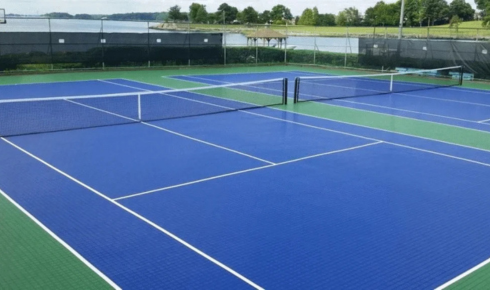
The modern sports industry is witnessing rapid transformation driven by innovation, athlete performance demands, and infrastructure development. Across schools, universities, sports academies, clubs, residential complexes, and international stadiums, the need for high-quality sports infrastructure has become more important than ever.
One of the key components of any sports facility is the flooring system. A well-designed sports surface not only improves athletic performance but also enhances safety, durability, and aesthetics. Among the various flooring technologies available today, acrylic flooring has emerged as one of the most trusted and widely used solutions, especially for tennis court flooring.
From professional tournaments to community recreational centers, acrylic sports flooring is helping shape the future of modern sports infrastructure.
Understanding Sports Infrastructure
Sports infrastructure refers to the facilities and systems created to support sporting activities and physical fitness. It includes both indoor and outdoor developments such as:
- Tennis courts
- Basketball courts
- Badminton courts
- Running tracks
- Stadiums
- Indoor arenas
- Fitness centers
- Sports academies
- Swimming pools
- Multi-purpose sports complexes
Modern sports infrastructure goes beyond construction. It focuses on:
- Athlete comfort
- Safety standards
- Long-term durability
- Environmental sustainability
- Spectator experience
Countries around the world are now investing heavily in sports infrastructure to encourage participation in sports and improve international competitiveness.
Importance of Quality Sports Flooring
Sports flooring is one of the most crucial elements of sports infrastructure because it directly affects:
- Player movement
- Ball behavior
- Injury prevention
- Surface durability
- Maintenance costs
A poor-quality surface can lead to:
- Frequent injuries
- Uneven gameplay
- Faster surface damage
- High repair expenses
This is why sports facility developers are increasingly adopting advanced flooring systems such as acrylic flooring for professional and recreational sports courts.
What Is Acrylic Flooring?
Acrylic flooring is a synthetic coating system widely used in sports courts and recreational facilities. It is typically applied over asphalt or concrete surfaces to create a seamless and durable sports floor.
The flooring system generally consists of:
- Acrylic resins
- Silica sand
- Color pigments
- Cushion layers
- Protective coatings
Acrylic sports flooring is highly popular because it provides:
- Excellent grip
- Weather resistance
- Uniform playing conditions
- Attractive appearance
It is one of the most commonly used surfaces for tennis court flooring worldwide.
Why Acrylic Flooring Is Popular in Sports Infrastructure
1. Excellent Durability
Acrylic flooring is designed to withstand:
- Heavy sports activity
- UV radiation
- Rainfall
- Heat exposure
- Foot traffic
This makes it suitable for outdoor sports infrastructure projects.
2. Low Maintenance
Unlike grass or clay courts, acrylic flooring requires very little maintenance. Regular cleaning and occasional resurfacing are usually sufficient.
3. Professional Playing Experience
Acrylic courts provide:
- Consistent ball bounce
- Controlled speed
- Better player movement
- Improved traction
These features are especially important for tennis court flooring.
4. Attractive Visual Appeal
Bright color combinations and smooth finishes create a professional and modern look.
5. Cost-Effective Solution
Compared to natural surfaces, acrylic flooring offers long-term value due to its durability and lower maintenance requirements.
Tennis Court Flooring: Why Surface Selection Matters
Tennis is a highly surface-sensitive sport. The type of tennis court flooring can significantly impact:
- Ball speed
- Bounce height
- Match tempo
- Player strategy
- Injury risk
Professional players often adapt their techniques depending on the surface they are playing on.
Choosing the right tennis court flooring is essential for:
- Training academies
- Schools
- Clubs
- Residential projects
- Tournament venues
Different Types of Tennis Court Flooring
Grass Tennis Courts
Grass courts are traditional tennis surfaces known for fast gameplay and low bounce.
Benefits
- Softer playing surface
- Comfortable for joints
- Prestigious appearance
Limitations
- High maintenance
- Sensitive to weather
- Expensive upkeep
Clay Tennis Courts
Clay courts slow down the ball and produce higher bounce.
Benefits
- Longer rallies
- Reduced joint stress
- Strategic gameplay
Limitations
- Requires regular watering
- Needs continuous maintenance
- Surface can wear quickly
Hard Tennis Courts
Hard courts are commonly made using acrylic coatings over asphalt or concrete bases.
Benefits
- Durable surface
- Balanced gameplay
- Consistent bounce
- Lower maintenance
Limitations
- Harder impact on knees and ankles
Acrylic Tennis Court Flooring
Acrylic tennis court flooring has become the preferred solution for modern sports facilities.
The surface combines:
- Performance
- Safety
- Durability
- Weather resistance
- Cost efficiency
Professional tennis tournaments, schools, and sports academies increasingly use acrylic systems because of their reliability and versatility.
Key Features of Acrylic Tennis Court Flooring
Consistent Ball Bounce
Uniform surface texture ensures predictable gameplay and better player confidence.
Slip Resistance
The textured acrylic coating improves traction and reduces the risk of slipping.
UV Stability
UV-resistant coatings protect the surface from fading and cracking under sunlight.
Water Resistance
Properly installed acrylic courts drain efficiently and dry quickly after rain.
Cushion Technology
Advanced acrylic systems may include cushion layers that:
- Absorb shock
- Reduce stress on joints
- Improve player comfort
Construction Process of Acrylic Tennis Courts
Creating professional tennis court flooring involves multiple steps.
Site Inspection and Planning
The location is analyzed for:
- Drainage
- Soil condition
- Surface leveling
Base Construction
Concrete or asphalt foundations are installed to create a stable base.
Surface Preparation
The base is cleaned and repaired before acrylic application.
Acrylic Coating Application
Multiple layers are applied, including:
- Resurfacer
- Cushion coats
- Color coatings
- Line markings
Final Finishing
The court is completed with:
- Nets
- Fencing
- Lighting systems
- Accessories
Benefits of Modern Sports Infrastructure
Increased Sports Participation
Well-developed sports infrastructure encourages:
- Youth engagement
- Community sports
- Professional training
Economic Growth
Sports complexes generate:
- Employment opportunities
- Tourism revenue
- Real estate value
Better Athlete Development
High-performance sports facilities help athletes train more effectively.
International Event Hosting
Modern sports infrastructure enables cities and countries to host major tournaments and sporting events.
Acrylic Flooring for Multi-Sport Applications
Acrylic flooring is not limited to tennis courts. It is also used for:
- Basketball courts
- Volleyball courts
- Pickleball courts
- Skating areas
- Walking tracks
- School playgrounds
Its flexibility makes it one of the most preferred solutions in sports infrastructure development.
Factors to Consider Before Installing Tennis Court Flooring
Climate Conditions
Outdoor courts must withstand:
- Heat
- Rain
- Humidity
- UV exposure
Frequency of Usage
Professional facilities require stronger and more durable surfaces.
Budget Planning
Costs vary depending on:
- Court size
- Base quality
- Cushion layers
- Accessories
Maintenance Requirements
Facilities with limited maintenance staff often prefer acrylic flooring because it is easier to manage.
Trends in Sports Infrastructure Development
The sports infrastructure industry is evolving rapidly with modern technologies.
Smart Sports Facilities
New sports venues now include:
- LED lighting systems
- Smart scoreboards
- Sensor-based performance tracking
- Digital monitoring systems
Sustainable Sports Infrastructure
Eco-friendly construction materials and energy-efficient systems are becoming increasingly important.
Multi-Purpose Sports Venues
Many facilities are now designed to support multiple sports activities using flexible flooring systems.
Maintenance Tips for Acrylic Sports Flooring
Proper maintenance improves the lifespan and performance of sports surfaces.
Regular Cleaning
Dust, debris, and standing water should be removed regularly.
Crack Repairs
Minor surface cracks should be repaired immediately to prevent larger structural issues.
Surface Inspection
Routine inspections help identify wear before it becomes severe.
Resurfacing
Periodic resurfacing restores:
- Grip
- Color quality
- Playing performance
Future of Tennis Court Flooring and Sports Infrastructure
The future of sports infrastructure will focus on:
- Athlete safety
- Sustainable materials
- Smart technologies
- Multi-purpose designs
Acrylic flooring is expected to remain a dominant solution because it successfully balances:
- Performance
- Cost
- Durability
- Ease of maintenance
As global sports participation continues to rise, demand for high-quality tennis court flooring and modern sports infrastructure will continue to grow rapidly.
Conclusion
Sports infrastructure plays a critical role in promoting fitness, professional sports, and community development. High-performance flooring systems are at the heart of every successful sports facility.
Among modern flooring technologies, acrylic flooring has become one of the most trusted choices for tennis court flooring and multi-sport applications. Its durability, weather resistance, low maintenance, and professional playing characteristics make it ideal for schools, academies, clubs, residential complexes, and stadiums.
As the sports industry advances, acrylic sports flooring will continue to shape the future of modern sports infrastructure across the world.